
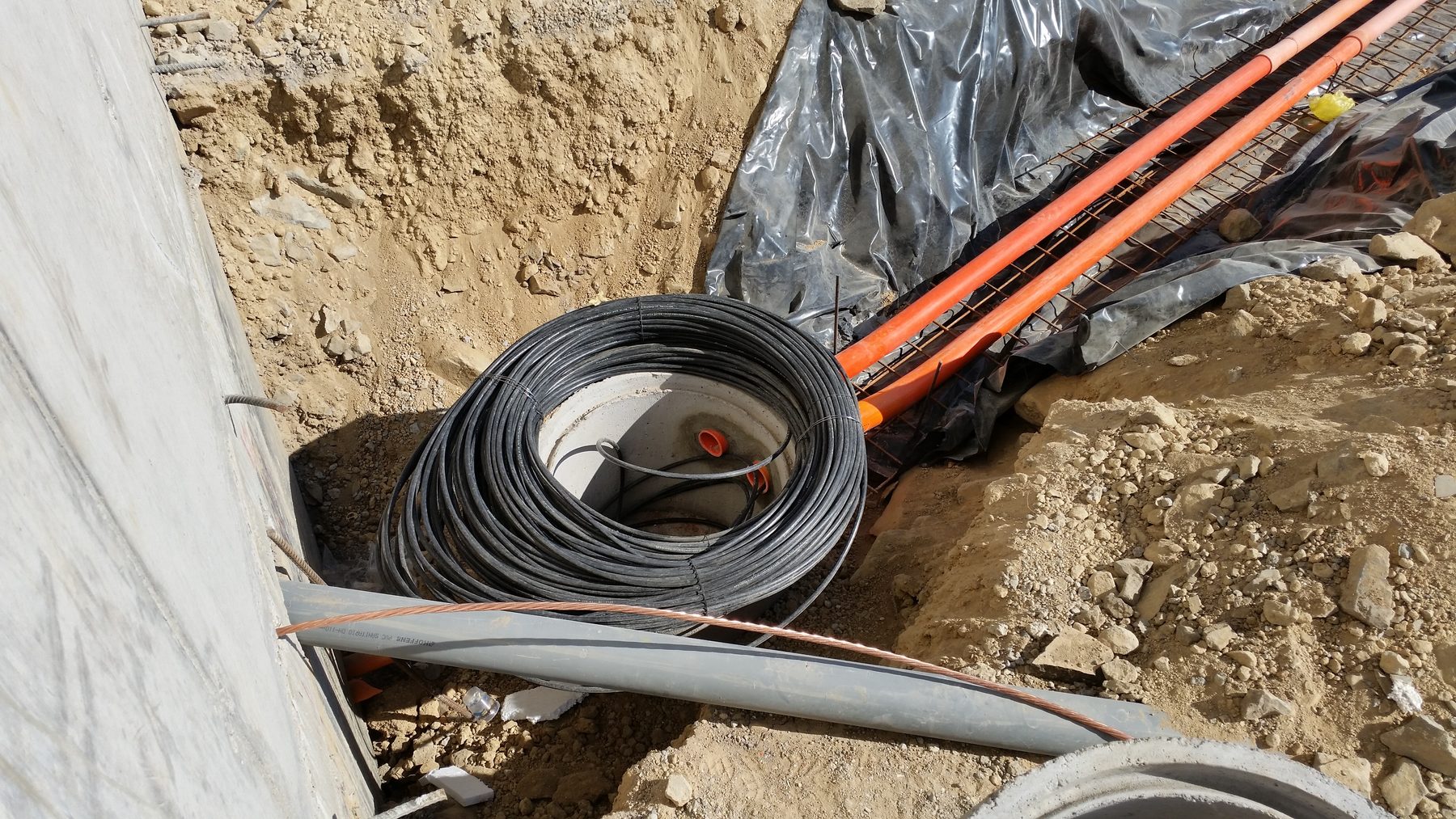
Underground deployment
Trenching, ducting, route protection, reinstatement, fibre placement and access-chamber coordination.
Aerial deployment
Pole-route assessment, make-ready coordination, cable placement and safe access planning.
Quality and safety
Clear work packs, controlled work zones, inspection points, testing and close-out documentation.
Community and property interfaces
Access notices, work-zone communication, reinstatement expectations, traffic or pedestrian management and escalation contacts should be agreed before crews arrive.
Evidence at every hold point
Photographs, test results, quantities, route changes, inspections and defect records create a traceable handover and reduce uncertainty for the team that will operate the asset.
Common questions
Useful answers before we talk.
How is aerial versus underground deployment chosen?
The decision considers existing assets, permissions, terrain, safety, lifecycle risk, cost, reinstatement, speed of delivery and the required network standard.
What is included in construction handover?
The agreed pack may include route records, quantities, photographs, test evidence, inspection status, defects, asset information and outstanding actions.
 Chat on WhatsApp